
Seamless Omnichannel Fulfillment System: Integrating E-Commerce Marketplaces with In-House Warehouses
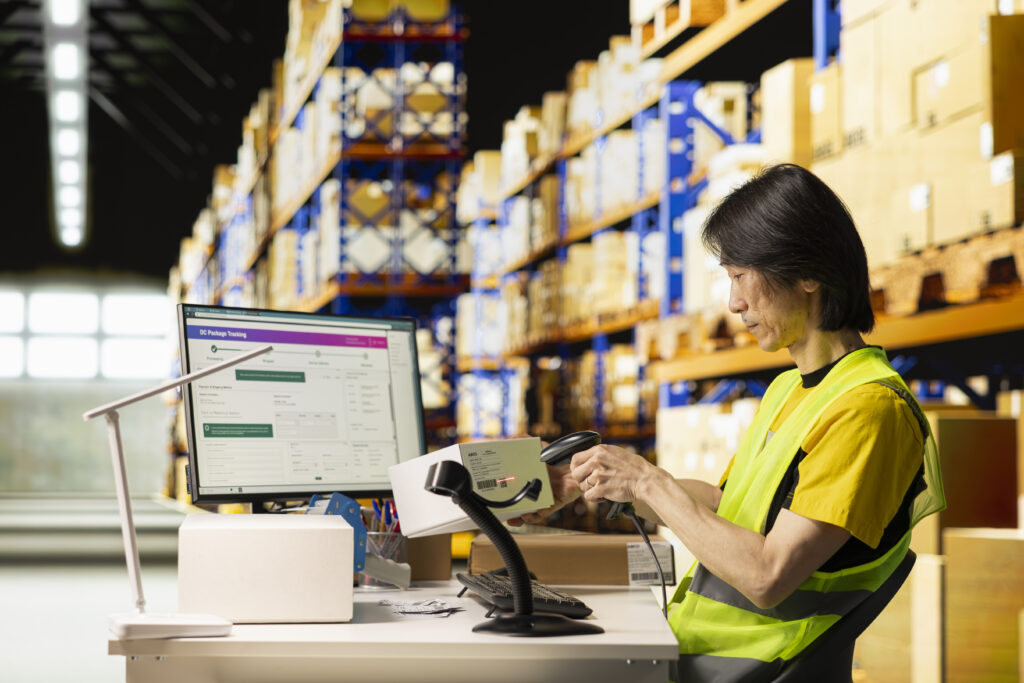
Running an e-commerce business today often means selling everywhere at once. Marketplaces, branded websites, wholesale portals, and sometimes even physical locations all play a role. While this opens the door to growth, it also introduces complexity behind the scenes. Orders arrive from multiple channels, inventory moves quickly, and customer expectations remain high.
At Avectous, we work closely with brands and logistics teams facing this exact challenge. Predictive analytics helps 3PL providers make smarter decisions across single or multi-client operations. It also helps reduce risks and enhance operational excellence.
Why an Omnichannel Fulfillment System Is Harder Than It Looks
Selling across multiple channels sounds simple until fulfillment enters the picture. Each marketplace has its own rules, order formats, and update requirements. At the same time, warehouse teams need clear, accurate instructions to pick, pack, and ship without delays or errors.
Without proper integration, businesses often deal with:
- Inventory mismatches between channels
- Overselling or stockouts
- Delayed order processing
- Manual data entry and duplicated work
- Limited visibility across the warehouse and sales platforms
A true omnichannel fulfillment system requires systems to communicate with each other in real time. This ensures decisions are based on accurate data rather than assumptions.
Connecting Marketplaces Directly to Warehouse Operations
The most effective omnichannel operations remove the gap between where orders are placed and where they are fulfilled. Instead of treating marketplaces and warehouses as separate systems, they function as one connected ecosystem.
When e-commerce channels are tightly integrated with in-house warehouses:
- Orders flow instantly into fulfillment queues
- Inventory updates automatically after every transaction
- Warehouse teams work from a single, accurate source of truth
- Customers receive faster confirmations and delivery updates
At Avectous, we’ve seen how this approach reduces confusion and improves consistency across operations.
The Role of Centralized Order Intelligence
A major pillar of an omnichannel fulfillment system is centralized order intelligence. Rather than managing orders separately for each marketplace, businesses benefit from a unified view that brings everything together.
This allows teams to:
- Prioritize orders based on delivery promises
- Route orders to the most efficient warehouse location
- Balance workloads across fulfillment teams
- Respond quickly to spikes in demand
When orders are managed centrally, fulfillment becomes proactive instead of reactive.
Inventory Accuracy Is the Foundation
No omnichannel strategy works without accurate inventory. If stock levels are wrong, every downstream process suffers, including customer trust, warehouse productivity, and revenue.
An effective omnichannel fulfillment system depends on:
- Real-time inventory updates across all sales channels
- A single inventory pool shared by marketplaces and warehouses
- Clear visibility into available, reserved, and incoming stock
At Avectous, we believe inventory accuracy isn’t just a technical requirement. It’s a trust issue. Customers expect honesty, and accurate inventory makes that possible.
Supporting Faster, Smarter Warehouse Workflows
When marketplace orders arrive cleanly and consistently, warehouse teams can work faster and with fewer errors. Clear pick lists, smart batching, and organized workflows reduce unnecessary movement and decision-making on the floor.
Integrated omnichannel operations help warehouses:
- Group similar orders for efficient picking
- Reduce manual checks and rework
- Maintain consistent packing and labeling standards
- Meet shipping cut-off times with confidence
This is where the omnichannel fulfillment system becomes a daily operational advantage, not just a strategy.
Handling Peak Volumes Without Chaos
Sales events, promotions, and seasonal spikes test every fulfillment operation. Businesses that rely on disconnected systems often feel this pressure the most.
With a connected omnichannel setup:
- Orders are automatically queued and prioritized
- Inventory availability is updated instantly
- Warehouse teams receive clear workload visibility
- Bottlenecks are identified early, not after delays occur
We’ve seen how a structured omnichannel fulfillment system helps teams stay in control, even when order volumes multiply overnight.
Creating a Better Customer Experience
Customers may never see your warehouse, but they feel its performance. Late shipments, canceled orders, or incorrect deliveries quickly erode trust.
A well-integrated omnichannel approach improves customer experience by:
- Reducing order errors
- Shortening delivery timelines
- Providing accurate tracking updates
- Ensuring consistent service across all sales channels
At Avectous, we focus on fulfillment systems that support long-term customer relationships, not just faster shipping.
Scaling Without Adding Complexity
Growth shouldn’t force businesses to rebuild their fulfillment process every year. One of the biggest advantages of an omnichannel fulfillment system is scalability.
As new marketplaces are added or order volumes increase:
- Existing warehouse workflows remain stable
- Inventory logic stays consistent
- Teams work within familiar processes
- Systems adapt without constant manual changes
This allows businesses to grow confidently, knowing their fulfillment foundation can support what comes next.
Bringing It All Together
Successful omnichannel operations don’t happen by accident. They’re built through thoughtful integration, clear data flows, and systems that support both people and processes.
At Avectous, we work with teams who want more than short-term fixes. We help businesses build omnichannel fulfillment system strategies that connect e-commerce marketplaces with in-house warehouses in a practical, reliable way.
When orders, inventory, and warehouse execution work together, fulfillment becomes a strength instead of a stress point. And that’s when omnichannel selling truly delivers on its promise.