
Posts by aa52edcd_admin
WMS Explained: How Warehouse Management Software Works and Improves Accuracy
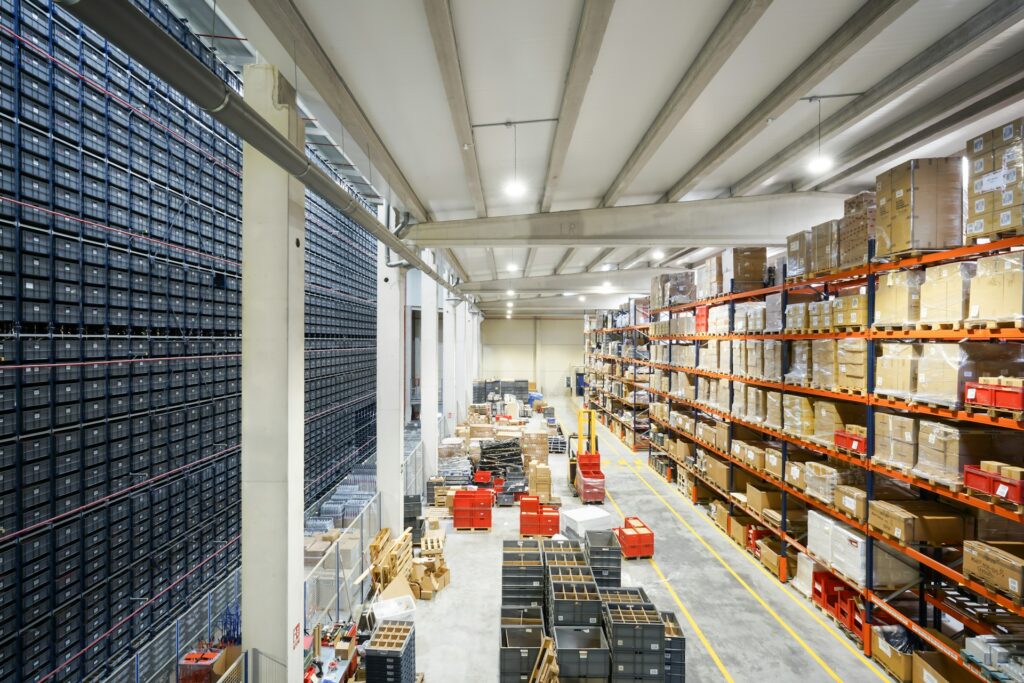
Most warehouses don’t have an inventory problem. They have an information problem. A pallet is received but logged late. A pick is made from the wrong bin. A count says 40 units while the shelf holds 32. At Avectous, we have spent 30 years inside warehouses like these, and the pattern is always the same:…
Read MoreAutomated Order Routing & WMS vs. OMS: Understanding the Difference
A warehouse management system (WMS) controls warehouse tasks such as receiving, storage, picking, and shipping. An order management system (OMS) tracks orders across sales channels and coordinates how they’re fulfilled. When these systems share accurate inventory and order data, businesses can assign orders to suitable fulfillment locations and manage warehouse work more efficiently. When orders…
Read More3PL WMS Software: Features, Multi-Client Management & Multi-Tenant Operations

A third-party logistics provider doesn’t run one warehouse. It runs a dozen small ones inside the same four walls. Each client has its own products, its own receiving rules, its own order profile, and its own expectations for how fast things ship. At Avectous, we have spent 30 years working with operations like this, and…
Read MoreThe pallet problem automation buyers often discover too late
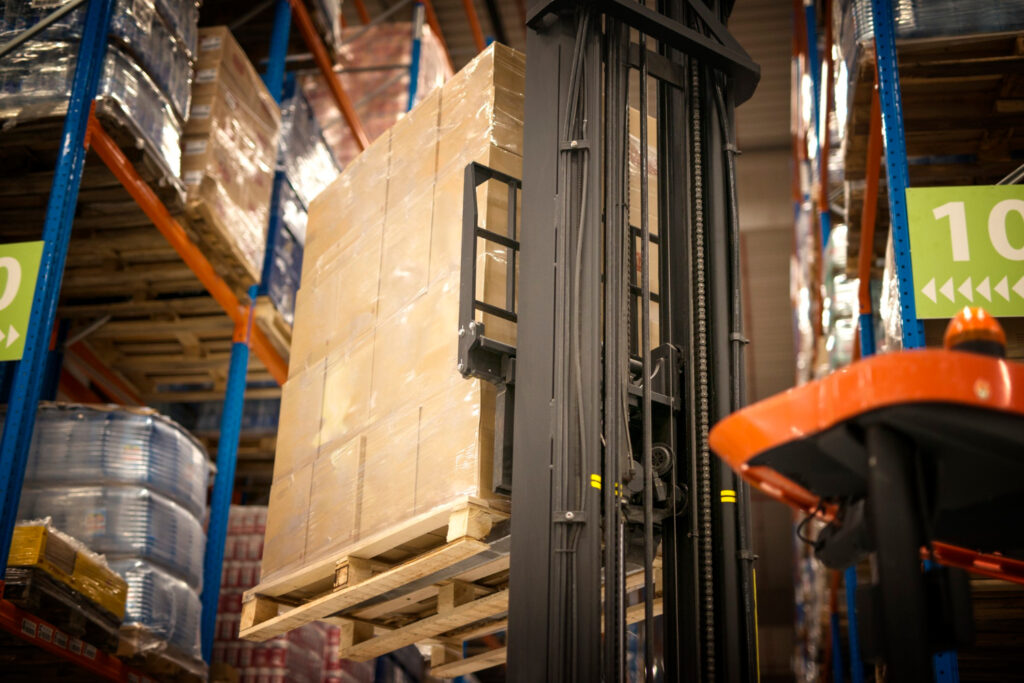
Buying an automated pallet shuttle usually starts with a warehouse problem. Maybe the operation needs more storage capacity, more consistent pallet handling, or a way to make better use of existing space. But there is a less obvious question that deserves attention before the equipment is selected: What exactly will the system be asked to…
Read MoreOne product, four units: why quantity definitions can break warehouse decisions
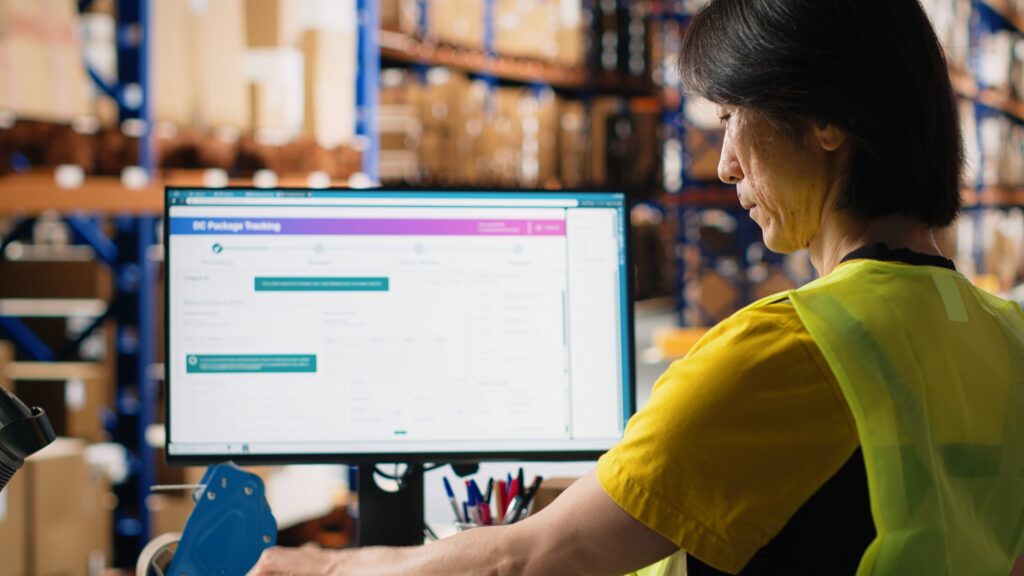
A warehouse can have 10 units of a product and still have a quantity problem. That sounds strange until you ask what “10” means. Ten pieces? Ten cases? Ten pallets? Those numbers describe very different physical quantities. The problem becomes more complicated when purchasing, sales, receiving, and warehouse teams use different units for the same…
Read MoreWho changed the order? Why order history matters after the sale

An order can look clear when someone opens it at 2 p.m. The delivery method says overnight. The quantity is 40. The requested date is Friday. Everything appears settled. But what if someone asks what the order looked like at 10 a.m.? That is where the current order stops being enough. The latest version tells…
Read MoreWhen One Warehouse Serves 20 Clients: How Do You Stop Inventory Mix-Ups?

Running a warehouse for one business is hard enough. Running one for 20 clients is a whole different job. Each client has different products, stock levels, order priorities, storage needs, and reporting expectations. One small inventory mistake can turn into a late shipment, an angry customer or an awkward call with a client. This is…
Read MoreWhen Inventory Data Arrives Too Late: The Hidden Cost of Losing Real-Time Visibility

A warehouse can look fine on paper and still struggle to fulfill orders. The problem usually starts when the information used to make decisions is older than the inventory itself. A product gets received, moved, picked, returned or allocated, but the system still shows an earlier status. That gap between what’s physically happening, and what…
Read MoreWhat’s the Difference Between a Warehouse Management System (WMS) and a Warehouse Execution System (WES)?
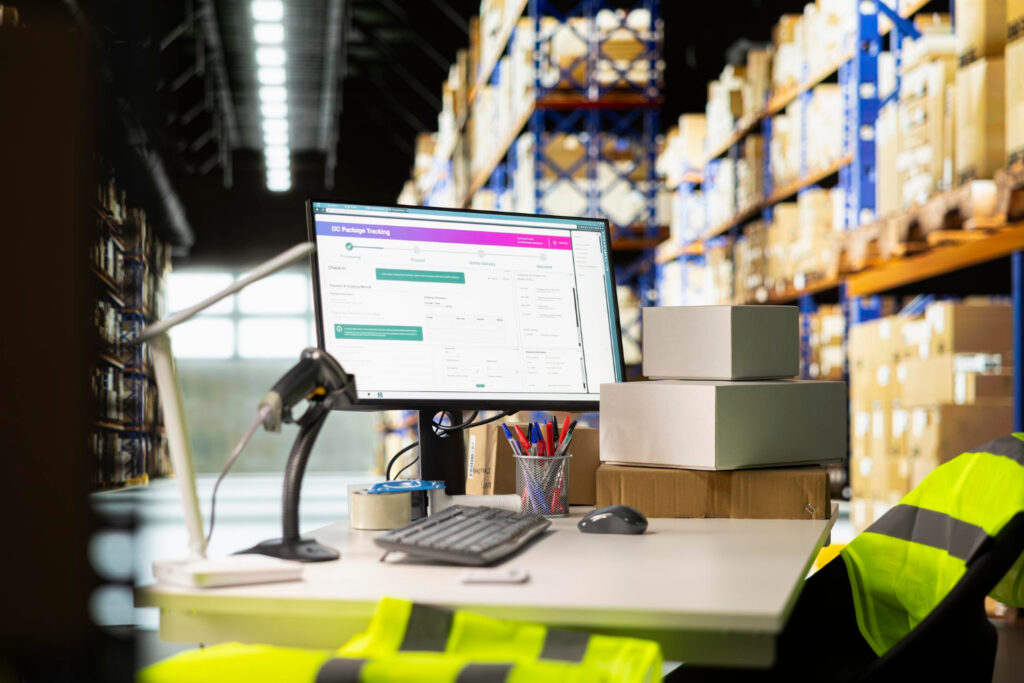
A warehouse can have perfectly accurate inventory records and still struggle to move orders through the building fast. That’s where the difference between a warehouse management system (WMS) and a warehouse execution system (WES) starts to matter. Both support warehouse operations, but they solve different problems. A WMS focuses on inventory, locations, receiving, picking, packing,…
Read MoreWhy the Best 3PL Warehouses Rely on Smarter WMS Software During Peak Shipping Seasons

Third-party logistics providers handle peak shipping successfully by using 3PL warehouse management systems and 3PL software that automate inventory tracking, order fulfillment, and warehouse operations. If you’re wondering what a 3PL warehouse management system is, what is 3PL software, or which companies have the best 3PL WMS software, the answer depends on choosing a scalable…
Read More