
The Hidden Cost of Manual Warehouse Operations And How Automation Cuts Errors & Delays
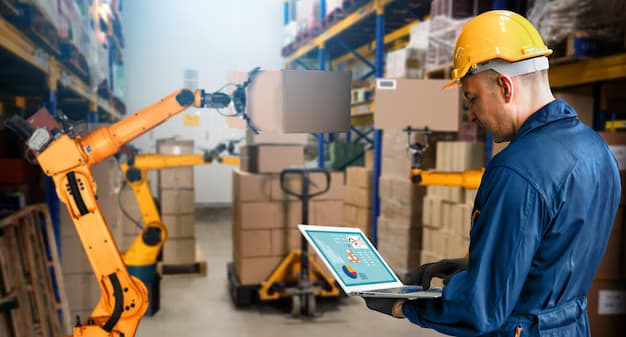
Many warehouse teams don’t notice the hidden problems in their daily routines. The work gets done, orders go out, and everything seems fine, until mistakes start piling up. A wrong item ships. A pallet goes missing. A delivery gets delayed. These issues may look small at first, but they add up to lost money, wasted hours, and unhappy customers.
Most warehouses run into these problems because their operations still rely on manual steps. Paper picking lists, handwritten notes, and disconnected systems slow teams down. As order volumes grow and sales channels multiply, these manual tasks become harder to control. That’s when businesses start looking for a better way, usually by turning to warehouse automation software that makes work faster, clearer, and more accurate.
At Avectous, we’ve seen how a simple shift from manual workflows to automated systems can change the entire rhythm of a warehouse.
The Hidden Problems Behind Manual Warehouse Operations
Manual work might feel familiar, but it creates many problems that teams may not see right away. Let’s break down the common pain points.
1. Mis-Picks and Wrong Shipments
Paper pick lists or outdated inventory counts cause mistakes. A picker might grab the wrong size, color, or item because the information is not updated. These mis-picks lead to returns, refunds, and unhappy customers.
2. Wasted Labor Time
Workers waste time searching for items, waiting for updates from supervisors, or walking across the warehouse without a clear route. This slows down order processing and increases labor costs.
3. Slow Receiving and Putaway
When items arrive, teams often write details down manually or enter them later. This delays stock updates and makes inventory less accurate.
4. Poor Tracking of Inbound and Outbound Items
Without real-time data, managers don’t know exactly what came in, what went out, or where everything should be. This lack of visibility leads to delays and confusion.
5. Lost or Misplaced Inventory
When inventory isn’t tracked with real-time tools, items can easily get misplaced. Something may show as “in stock” even though no one can find it on the shelves.
Manual operations may feel “normal,” but they create huge gaps that only grow worse over time.
The Hidden Costs That Many Businesses Overlook
The problems caused by manual processes aren’t just annoying, they’re expensive. Here are the costs warehouses often overlook:
1. Chargebacks
Retailers and marketplaces charge fees when orders are wrong, late, or not packed properly. These small fees add up fast.
2. Customer Complaints
Wrong orders or slow deliveries lead to unhappy customers. Negative reviews and lost trust can hurt a brand more than any direct cost.
3. Late-Shipment Fees
Carriers and marketplaces often charge penalties for late orders, especially during busy seasons.
4. Overstock and Understock
Poor inventory visibility means you might order too much or too little. This creates storage problems, extra carrying costs, or missed sales.
All of these issues affect revenue and slow down business growth. But the good news is that they’re avoidable with the right tools, especially warehouse automation software designed to replace manual tasks with clear, automated workflows.
How Automation Fixes These Issues
When a warehouse uses automation, the entire operation becomes more organized and predictable. Automation doesn’t mean robots everywhere, it means replacing manual steps with smart, guided digital processes.
Here’s how warehouse automation software improves daily work:
1. Task-Based Picking That Reduces Errors
Instead of paper lists, pickers receive tasks directly on handheld devices. The system guides them to the right aisle, bin, and product. This greatly reduces mis-picks and improves speed.
2. Barcode Scanning for Accuracy
With barcode scanning, every item is verified before it’s moved or shipped. This ensures the right product goes to the right customer.
3. Real-Time Inventory Adjustment
Every action, pick, pack, receive, move, is recorded immediately. Everyone sees accurate stock levels at all times, preventing overselling and confusion.
4. Faster Receiving and Putaway
Automation directs staff where items should go the moment they arrive. No guesswork, no delays, and no misplaced stock.
5. Clear Visibility for Managers
Dashboards show what’s happening across the warehouse. Managers can track orders, check performance, and spot issues before they grow.
This shift brings more control, less stress, and smoother operations across the warehouse.
How Avectous Helps Warehouses Move Beyond Manual Work
At Avectous, our goal is to help warehouses run smoother with a unified platform that connects inventory, orders, and operations. Our warehouse automation software gives teams all the tools they need to work faster and with fewer mistakes.
Here’s how we support growing brands:
- Automated picking and packing workflows
- Barcode-driven accuracy
- Real-time tracking of inbound and outbound items
- Smooth receiving and putaway
- Multi-warehouse logic for businesses that operate across locations
- Clear dashboards that show what’s happening every minute
With automation, teams spend less time fixing errors and more time getting orders out the door.
Why More Warehouses Are Making the Switch
Companies are no longer accepting the delays and mistakes that come from manual work. They want smoother operations, happier customers, and fewer surprise costs. Warehouse automation software offers all of that, and it becomes even more valuable as sales channels grow and order volumes rise.
Automation helps warehouses:
- Cut labor waste
- Reduce mistakes
- Ship faster
- Keep inventory accurate
- Improve customer satisfaction
- Lower overall costs
It’s a clear return on investment, and the results show up quickly.
Final Thoughts
Manual warehouse workflows may seem harmless, but they come with costs that most businesses never notice until it’s too late. Automation fixes these problems by making work clearer, faster, and far more accurate. With Avectous and a strong warehouse automation software system, warehouses can finally leave behind the errors and delays that slow them down.